Andromeda pushed Meta Ads ROAS down 7% on average across 3,014 ecommerce advertisers, and 13% on prospecting campaigns (Confect, 2026). Click prices are not the culprit. What broke is landing page conversion, which fell from roughly 3.5% to 2.9% over the same rollout.
Where your ROAS actually went
An ecommerce advertiser sitting at 17x ROAS in late 2024 now runs at 11x. That is the median for the top third of the market, not one unlucky account. Confect tracked 3,014 ecommerce advertisers across 73 countries, one million ads and $834 million in spend through all of 2025, from zero rollout to full Andromeda deployment. Average ROAS lost 7%. The best advertisers lost 31%.
The breakdown is more useful than the average. Prospecting campaigns dropped 13% while retargeting held. Bottom performers actually drifted up. Andromeda did not hurt everyone equally: it compressed the field, and it hit hardest the advertisers whose edge came from carefully tuned audiences.
Triple Whale numbers, pulled from more than 40,000 ecommerce brands, tell the same story from inside the ad account. Between August 2025 and July 2026, CPM rose in sixteen verticals out of seventeen. CTR rose in all seventeen. Conversion rate went the other way.
| Median, Meta Ads ecommerce | Aug 2024 to Jul 2025 | Aug 2025 to Jul 2026 | Change |
|---|---|---|---|
| CTR | 2.06% | 2.39% | +15.97% |
| CPM | $13.30 | $15.06 | +13.24% |
| Conversion rate | 1.60% | 1.53% | -4.73% |
| Cost per acquisition | $37.80 | $38.99 | +3.14% |
| ROAS | 1.86 | 1.88 | +0.57% |
| Marketing efficiency ratio | 0.49 | 0.48 | -0.65% |
Source: Triple Whale Meta Ads benchmarks, more than 40,000 ecommerce brands, published August 2026.
Read row one and row three together. Your ads pull 16% more clicks than a year ago, and each of those clicks buys less. Meta is doing its half of the job, putting the right creative in front of the right person at the right point in the scroll. Whatever happens after the click is not keeping up. Triple Whale flags it in electronics, where CTR jumped 21.52% while conversion rate collapsed 15.69%, and points at post-click friction as the cause.
Andromeda sends you people who are curious, not people who are ready
Andromeda is not a bidding update. It is the engine that decides, before the auction runs, which ads are even allowed to compete. Meta documented it on its engineering blog in December 2024: the system narrows tens of millions of candidates down to a few thousand, on a model with 10,000 times the previous capacity, for a 6% recall gain and 8% better ad quality on tested segments.
The raw material of that selection changed. The old system hunted for buyers, using pixel data, transaction history and past purchase behavior. Andromeda hunts for resonance between a piece of content and a person. It reads the image, the video, the burned-in text, the tone, then finds the profiles that content appeals to.
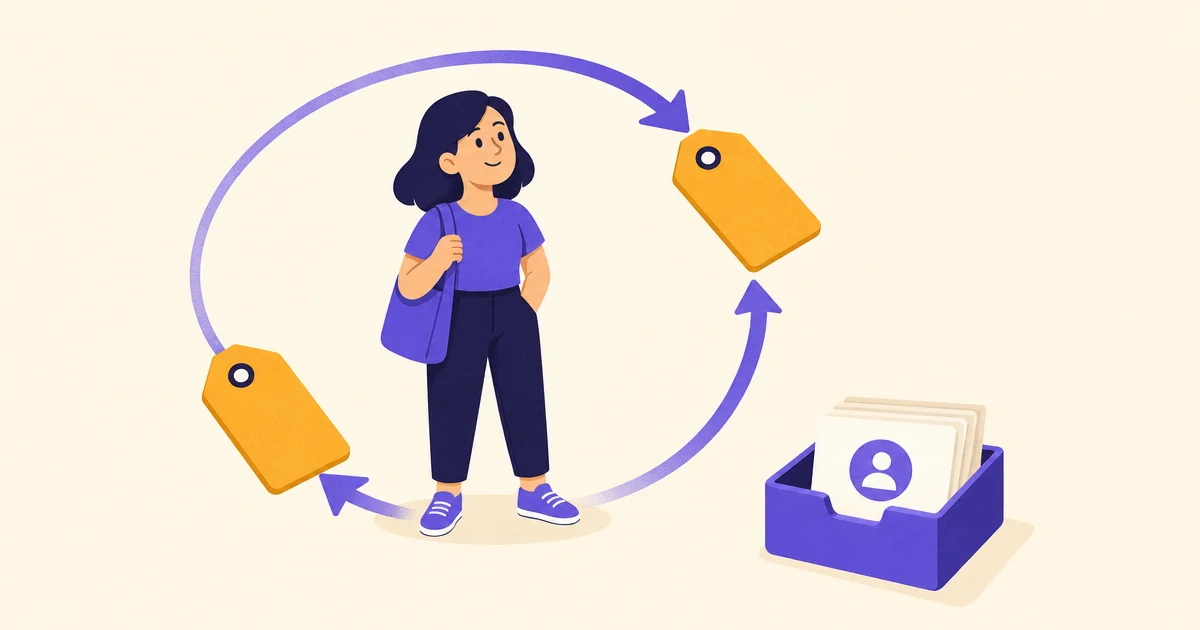
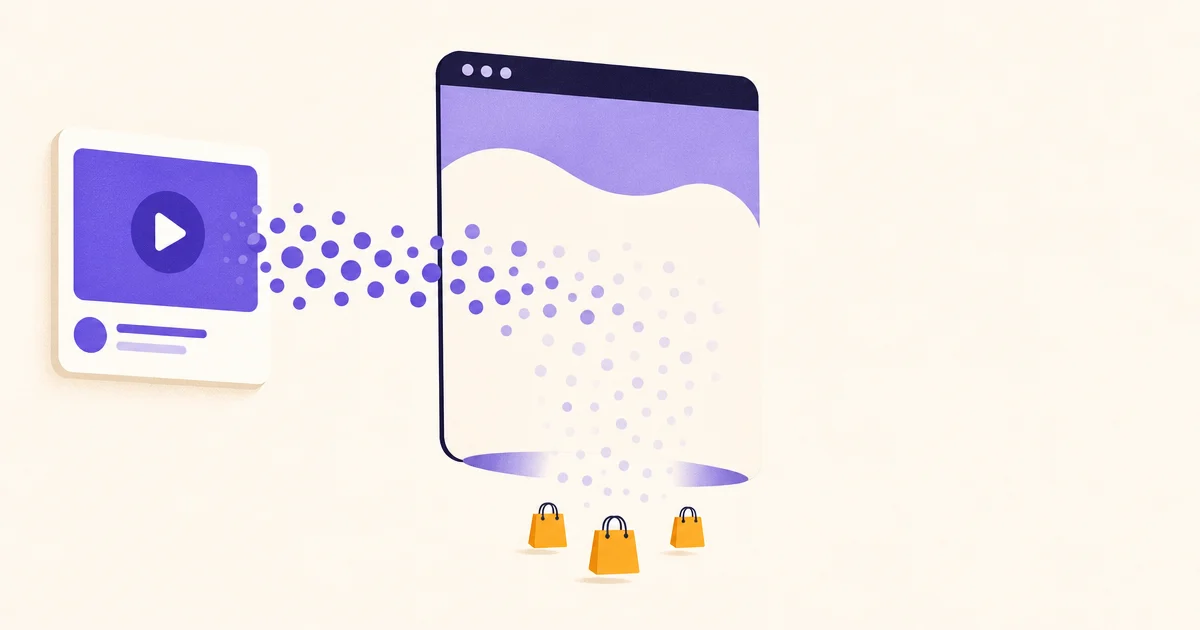
Those are different people. Someone your ad interests is not always someone shopping this week. Confect puts the consequence plainly: wider reach, colder traffic, lower conversion. For every 1,000 visitors your ads deliver, roughly five fewer of them buy than before Andromeda.
Sorting is the real subject here. Targeting used to do it upfront, filtering out the browsers before they ever clicked. That filter is gone. It did not break by accident, it was removed on purpose, because a retrieval engine that searches wide finds pockets of buyers no interest list would ever have named. Meta gained coverage. You inherited the sorting job.
The fixes everyone recommends, and where they stall
Open any Andromeda guide published in the last six months. Same list every time: consolidate campaigns, ship twenty creatives a month, wire up the Conversions API, check your attribution windows, let learning settle. None of it is wrong. It is simply not enough, and it helps to know why before spending a quarter on it.
Creative production manufactures clicks. The table above shows clicks are not the shortage: CTR is up 15.97% in a year, across every single vertical. Double your output and you will win a few more points. They will land on the same page the last ones did.
The Conversions API and attribution windows fix measurement, not selling. Part of the drop showing up in Ads Manager during early 2026 really was stricter attribution, quietly re-crediting real revenue to other channels. Landing page conversion rate is measured on your own site, with your own tools. It went from 3.5% to 2.9%. No attribution window produces that number.
That leaves the page advice itself, where it shows up at all: speed the load, match the ad message to the page headline. Fair enough. Still not enough, for a structural reason. Message match assumes one message fits everyone who clicked the same ad. Under Andromeda that same creative gets served to wildly different micro-segments, some meeting your category for the first time while others have been comparing three brands for a week. One page, one message, fifteen profiles.
Your page is talking to a stranger
A product page says the same thing to everyone. That is what it is, and for ten years it did not matter, because targeting made sure the people arriving looked alike. Meta dropped that filter. Nobody put it back on the other side.
Watch what happens in a store when someone hesitates. The salesperson asks two or three questions, works out the budget, the use case, the constraint, then changes everything they say next. Nobody finds that remarkable. Your site does not do it, and the gap has a price: Baymard Institute, aggregating fifty separate studies, puts average cart abandonment at 70.22% in 2026. The number has barely moved through a decade of checkout work.
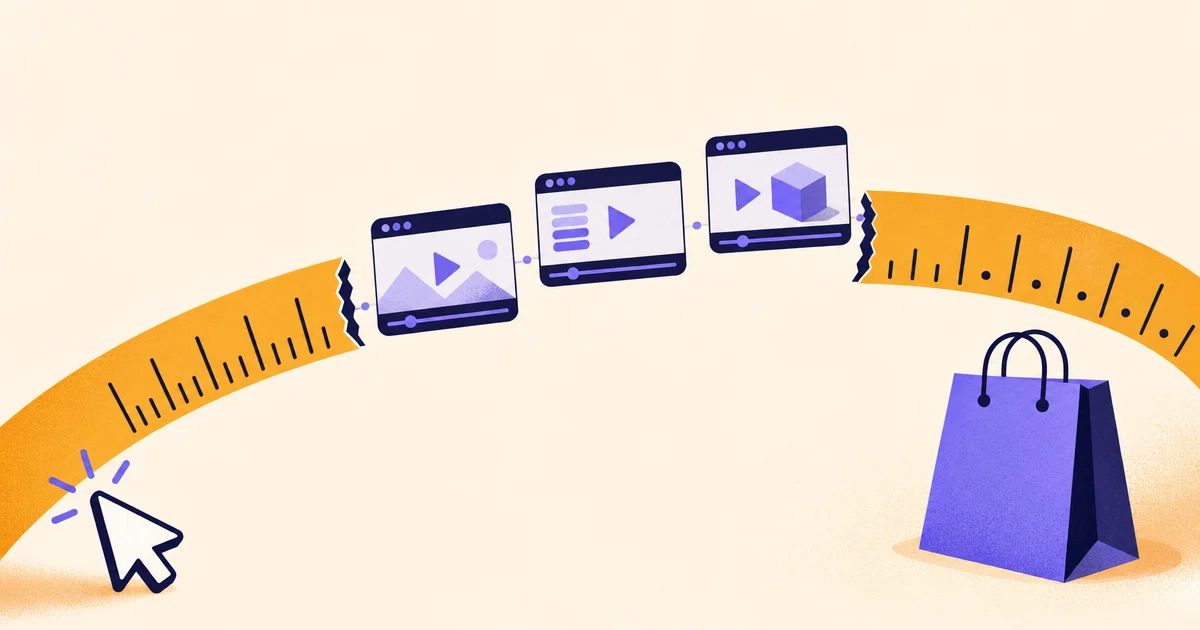
A video funnel takes that observation and flips it. The visitor answers a short run of questions first, asked on camera by the seller. Then comes an analysis video built for that one person, assembled from segments filmed by a real human and cut according to the answers just given. The sorting targeting stopped doing, the page now does itself. And the answer arrives after the sorting.
The math is tight enough to matter. Triple Whale puts median ecommerce order value at $73.36 and median cost per acquisition at $38.99 for the year to July 2026. More than half a typical order is spent before anything ships. At that ratio, every undecided visitor is a paid loss.
Three forces that fire at the same moment
What sells inside a video funnel has little to do with technology. Three levers line up at once, and no static page can pull any of them.
Engagement comes from time already spent. Answering seven or ten questions costs the visitor something real: a minute or two of deliberate attention. From there they want that effort to pay off. They do not close the tab the way they close a product page they skimmed for three seconds.
The second force runs the other direction. The visitor gets ten minutes of video cut for their situation, with a face and a voice speaking to them. Reciprocity is not a textbook idea here: people recognize effort aimed at them, and that sense of owing something does part of the work your sales copy no longer has to.
Conviction is a matter of duration. A prospect who watched twelve minutes of argument all the way through, by choice, is not the same buyer as one who scrolled a page. They followed the full reasoning, heard the objections handled, saw the demonstration. By the time the offer shows up, the ground is ready.
Friction does not vanish on its own. It got handled one piece at a time during the video, at the exact moment the prospect was thinking about it. That is the difference between convincing someone and hoping.
Two figures, credited to the brands that produced them. Anna Velazia, a jewelry and lithotherapy brand, now routes 70% of its ad budget through its video funnel, which became its top acquisition channel, at three times the ROAS of its other campaigns. BodyTime, selling training programs, reports conversion up 2.5x on the same traffic and thirteen minutes of attention captured before the offer even appears. Their results, not an average, and not a promise.
Taking back the half of the funnel you still own
Before relaunching twenty creatives, run a ten-minute test. Pull last quarter and lay two curves on top of each other: outbound clicks and purchases. If clicks hold or climb while purchases slide, your problem is not in Ads Manager. It is on the page those clicks land on, and no campaign setting will touch it.
The second test is about sorting. How many genuinely different profiles reach your product page today, three, four, more? If you cannot answer, that is an answer: you do not know who your page is talking to. If you can, the next question gets easy. What would each of those profiles need to see, and why does your site show all of them the same thing?
A video funnel takes half a day of filming and about thirty minutes of setup, and the full mechanics of a video funnel come down to three pieces: the video quiz that sorts, the edit that personalizes, the follow-up that chases the undecided. Five questions with three options each generate hundreds of combinations from around twenty filmed segments. That is real work, which is exactly what makes it worth doing: your competitors will keep stacking creatives in front of a page that sorts nobody.
Andromeda took over a decision you used to make: who sees your ad. It will not take the next one. What the visitor finds after the click is still entirely yours, and in 2026 that is where ROAS is won.
Frequently asked questions
Did Andromeda really lower ROAS?
Yes, and the number is documented. Confect studied 3,014 ecommerce advertisers and $834 million in spend across 2025, measuring a 7% drop in average ROAS, 13% on prospecting campaigns, and 31% among the third of advertisers who performed best before the rollout. The lowest performers in the dataset actually edged up slightly over the same period.
Is the ROAS drop real or just an attribution artifact?
Both, and they need separating. Some of the decline shown in Ads Manager came from stricter attribution, which re-credits real sales to other channels without revenue changing at all. Landing page conversion rate, though, is measured on your own site with your own tools: it fell from roughly 3.5% to 2.9% across the rollout. That part is real.
How many creatives do I need under Andromeda?
Enough to feed the engine, though volume is no longer the binding constraint. Andromeda selects audiences from ad content, so genuinely different angles matter more than cosmetic variants of one winner. The blind spot sits elsewhere: median Meta CTR rose 15.97% over the past year while conversion rate fell 4.73% (Triple Whale, 2026). You are not short of clicks.
How do I tell whether the problem is my page or my ads?
Compare two curves over the last quarter: outbound clicks and purchases. If clicks hold steady or rise while purchases fall, the loss happens after the click and no campaign setting will recover it. Then check the conversion rate of the page paid traffic lands on, isolated from the rest of your site.